

Torriano Cottages
London, 2026
Restoring, extending and improving the performance and usability of a remarkable 1967 house and studio
DESCRIPTION
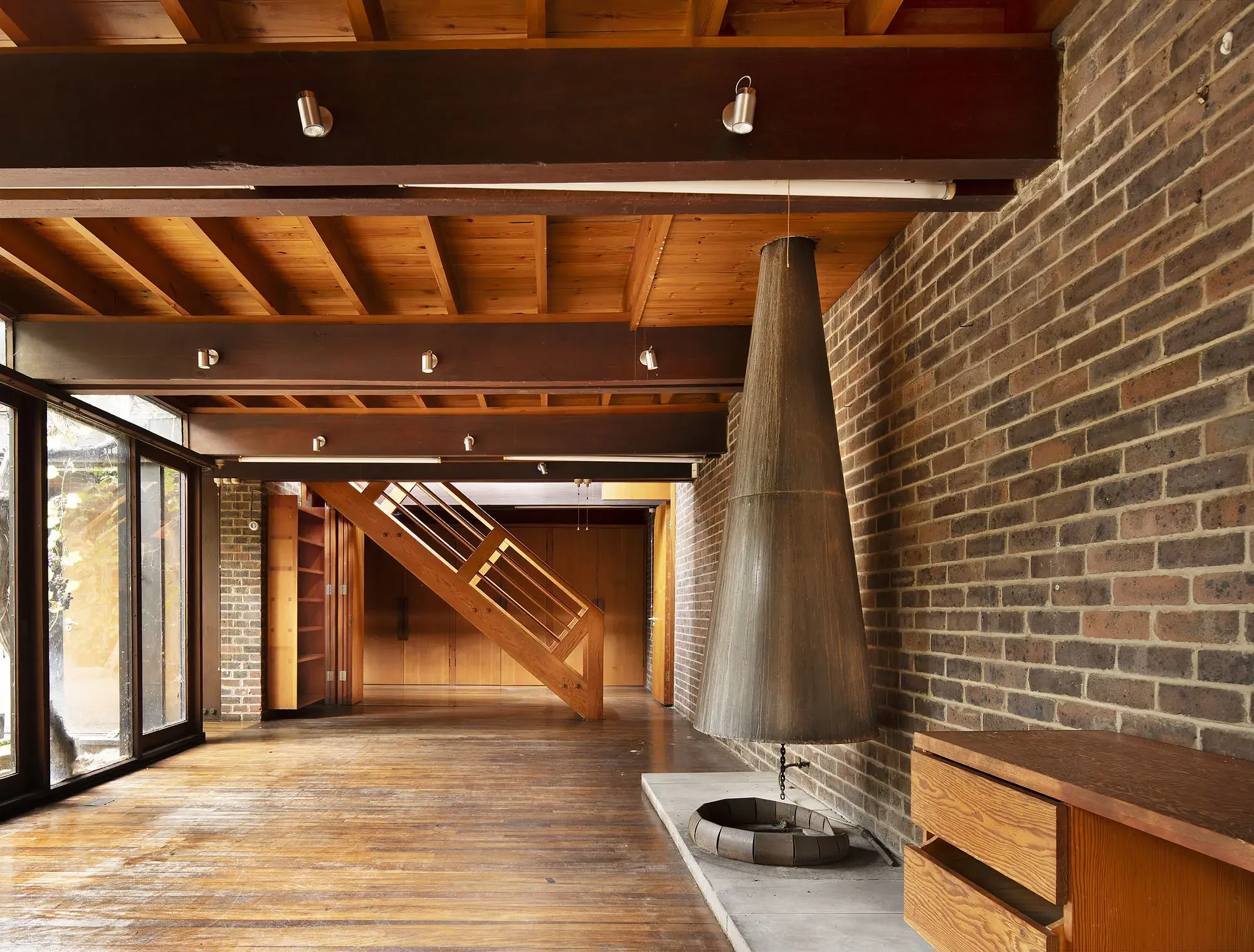
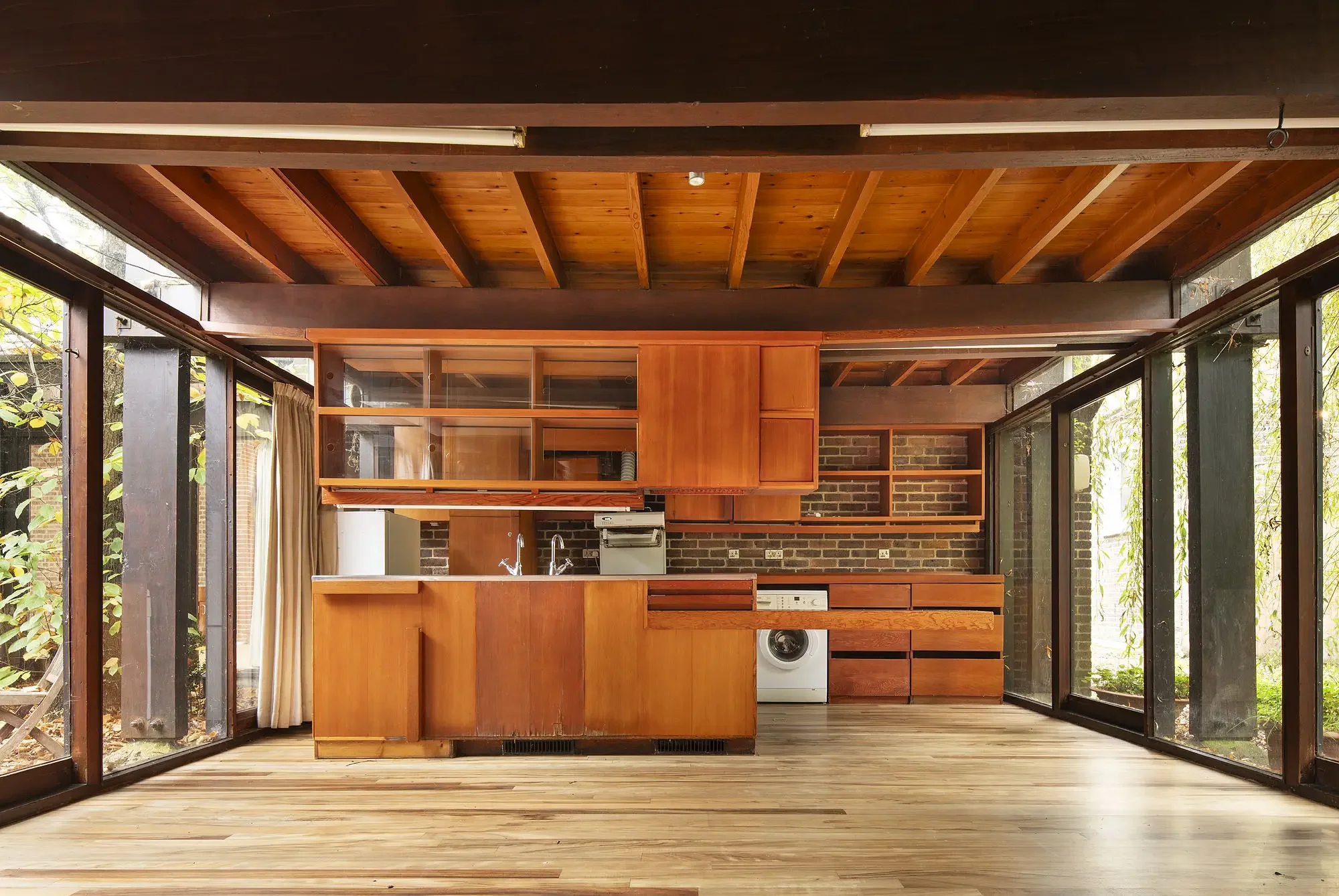
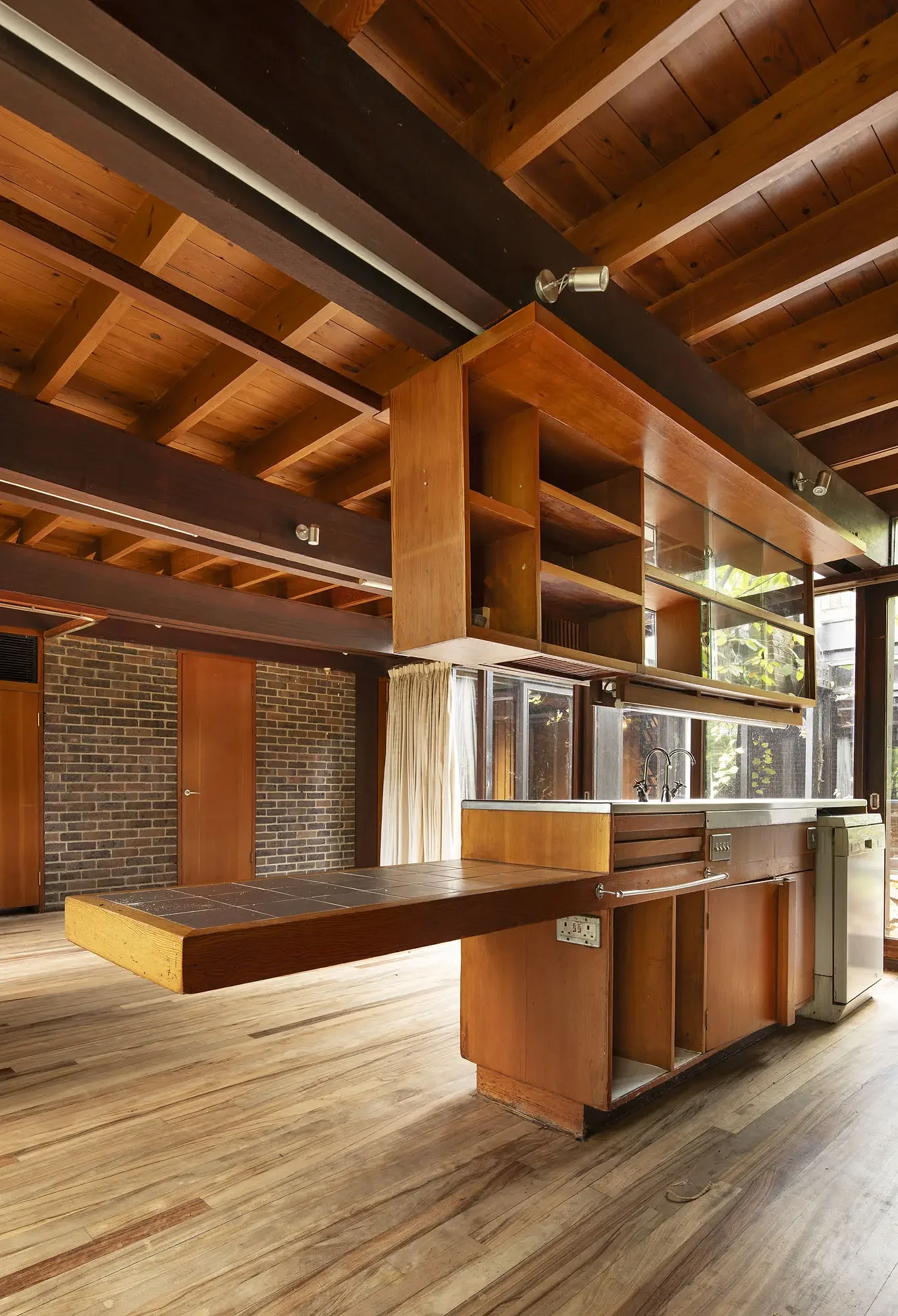
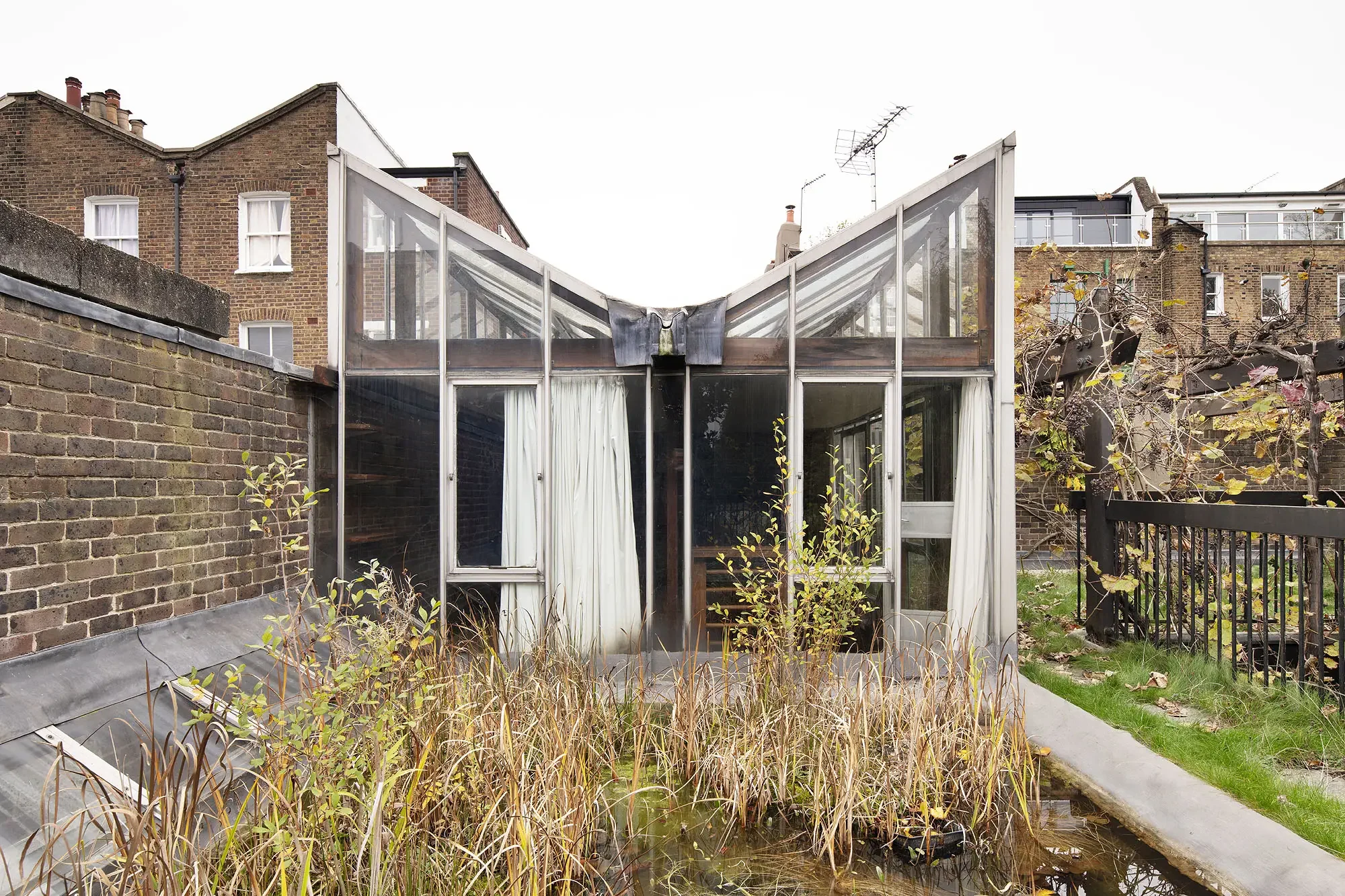
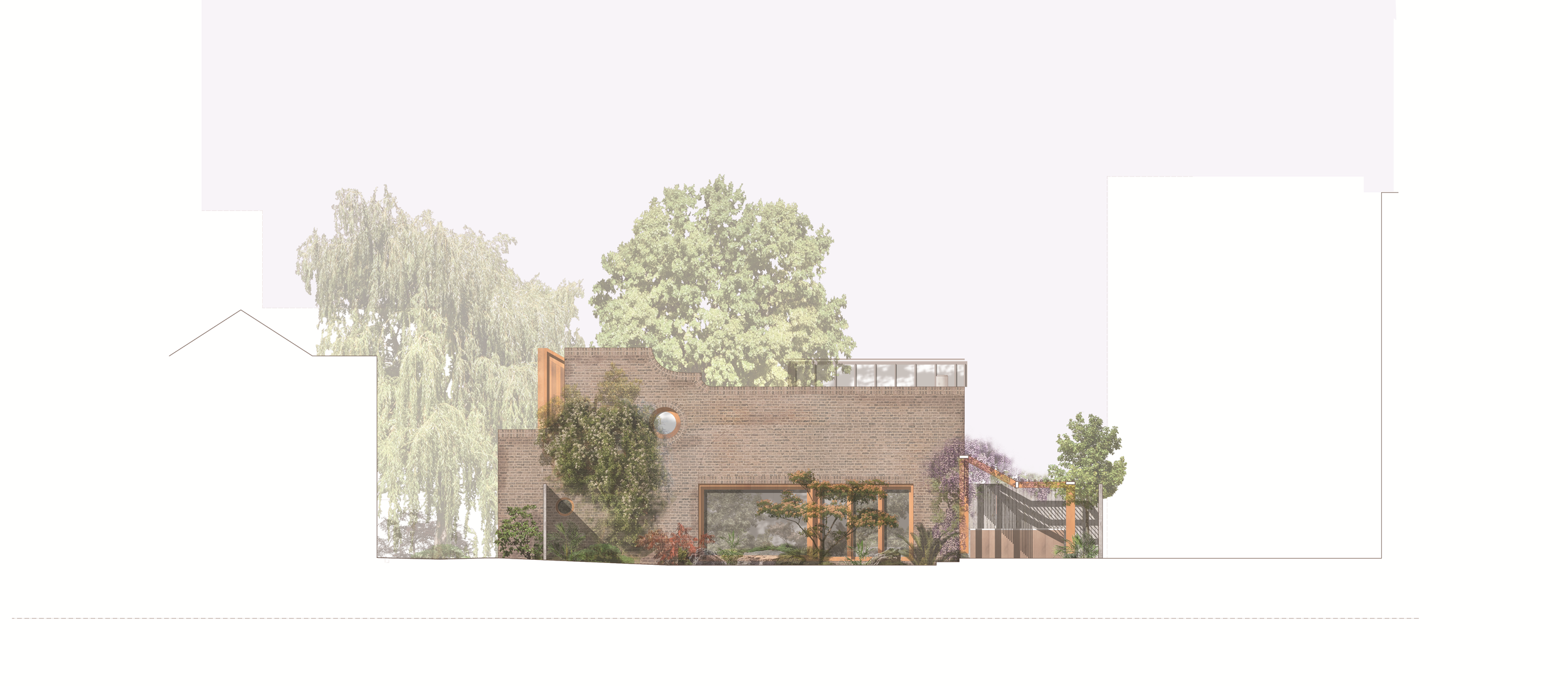
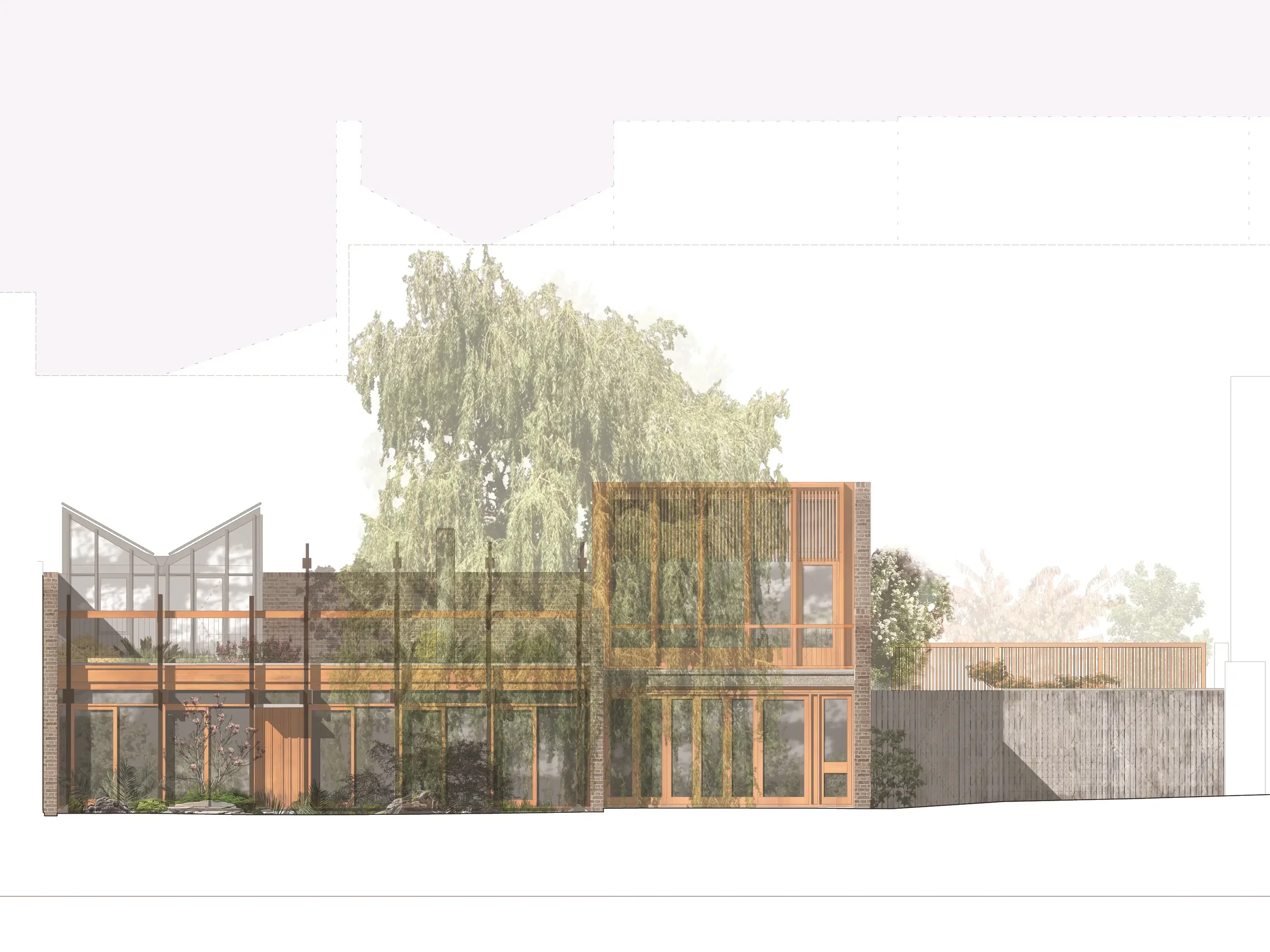
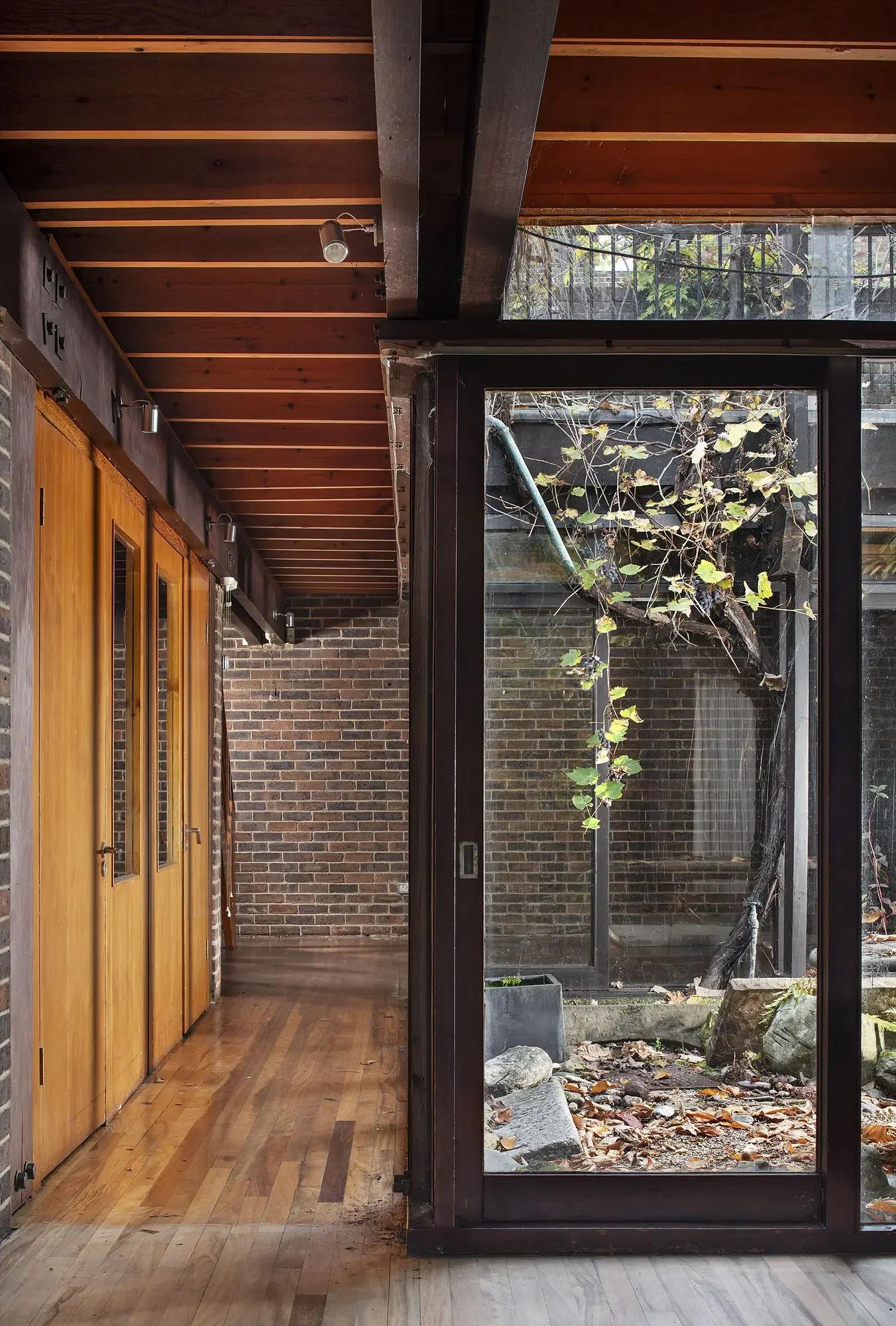
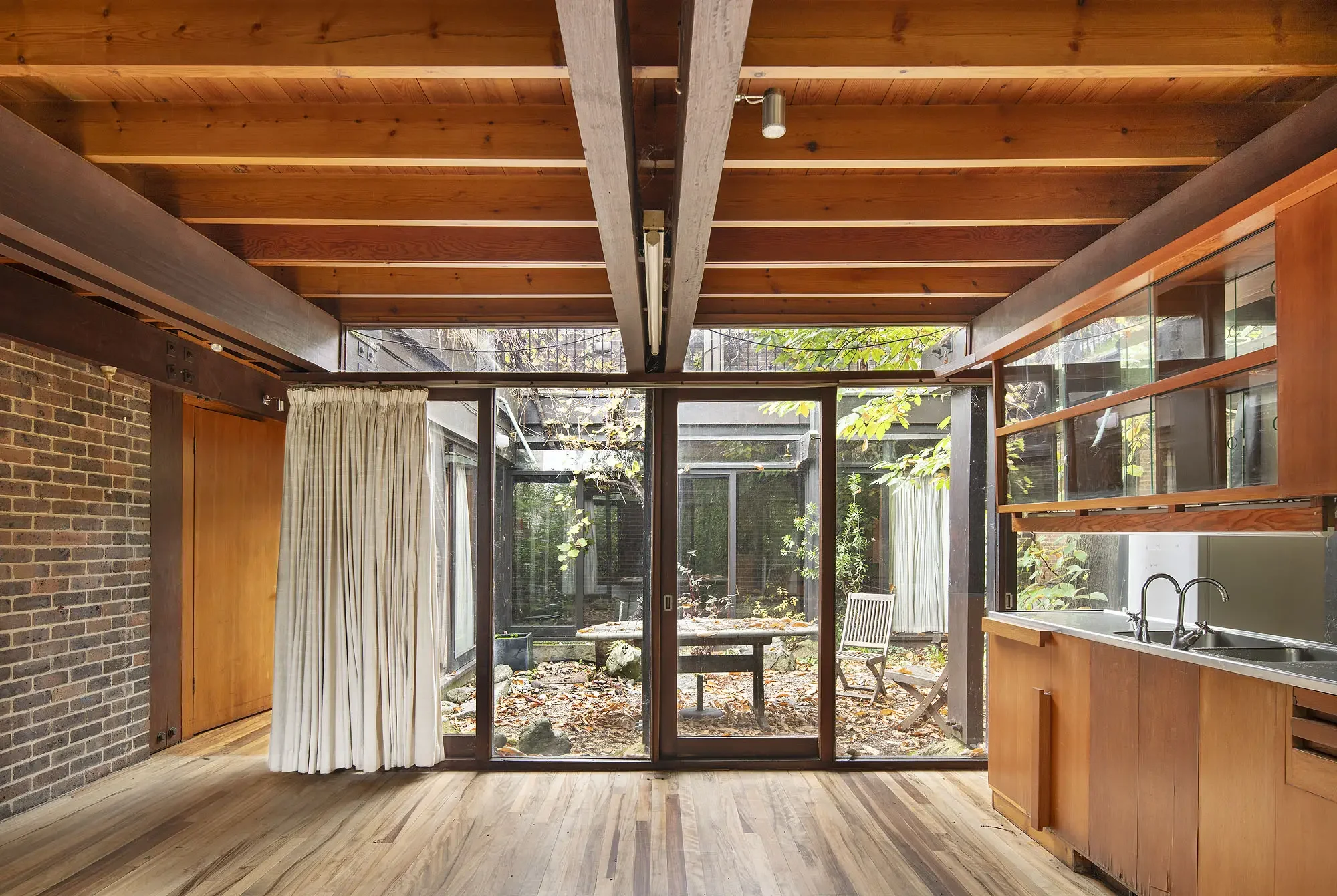
The scheme carefully extends and refurbishes Philip Pank’s own house and studio while upgrading its performance and usability for the long term. The gardens and a roof garden will be revived and an outdoor pool will be added.
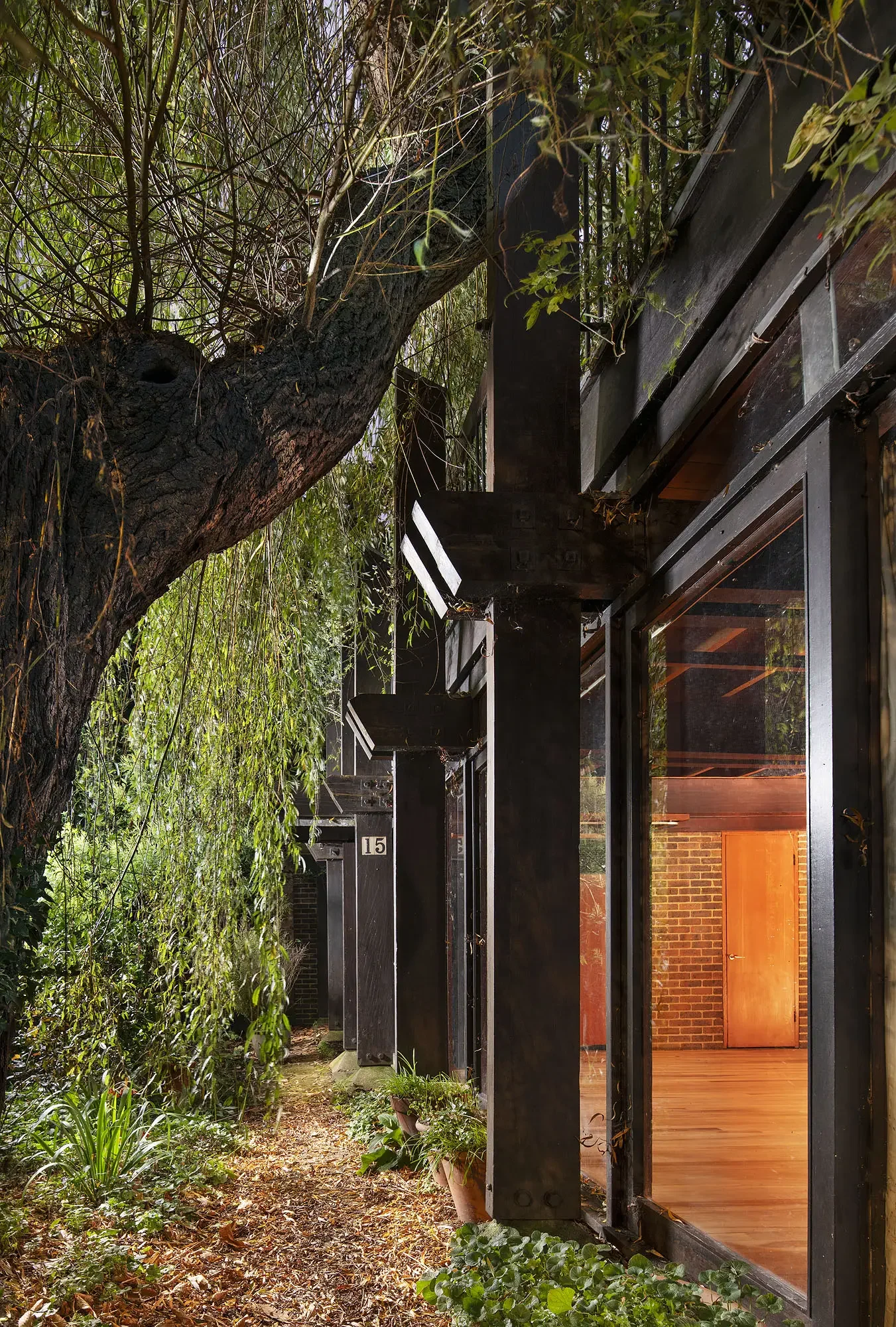
A key aspect was the approach to the extensive glazing. The original cedar windows, while integral to the design, were detailed in a way that made them vulnerable to leaking, condensation and decay. The building had become difficult to heat and uncomfortable to inhabit.
A careful case was made, with the support of the Twentieth Century Society, that full replacement of the windows and doors was justified. The result retains the lightness and rhythm of the façade, while substantially improving thermal performance.
A careful balance between heritage and climate responsibility.
“The Society is in support of this scheme and the sensitive approach being taken to the building. The house is an important and significant example of the work of Philip Pank and we welcome work to bring the house back into use and prevent any further degradation of its fabric. Pank himself designed the house to be flexible and to adapt to the changing needs of his family, and these proposals can be seen as part of the house’s continuous evolution..”
CONSTRAINTS
The site is a Grade II listed building within a conservation area, requiring a sensitive, conservation-led approach.
Officers were resitant to the extension of such an architecturally pure design, but were persuaded to accept an interpretation of a design previously proposed by Pank.
The studio wing did not have the clarity and coherence of the original design but could be improved by improved window design.
Poorly performing windows and ageing fabric resulted in heat loss, condensation, and ongoing maintenance issues.
The secluded, heavily planted site limits views and creates a compact relationship between building and garden.
OPPORTUNITIES
Targeting areas of lower significance allowed improvements without harming the building’s original character.
The proposals reintroduce a more consistent architectural language, improving the overall coherence of the building.
A modest extension draws on the architect’s original, unbuilt ideas, reinforcing the design concept.
Upgraded glazing and fabric dramatically improve thermal performance and day-to-day living conditions.
Opening up the garden and introducing new elements creates a better connection between inside and outside.
PROJECT TEAM
Architect: Coppin Dockray
Planning & Heritage: Whaleback
Structural Engineer: Stand Engineers
Landscape Design: Jane Brockbank Gardens
Building Services Engineering: Integration
Quantity Surveying: Measur
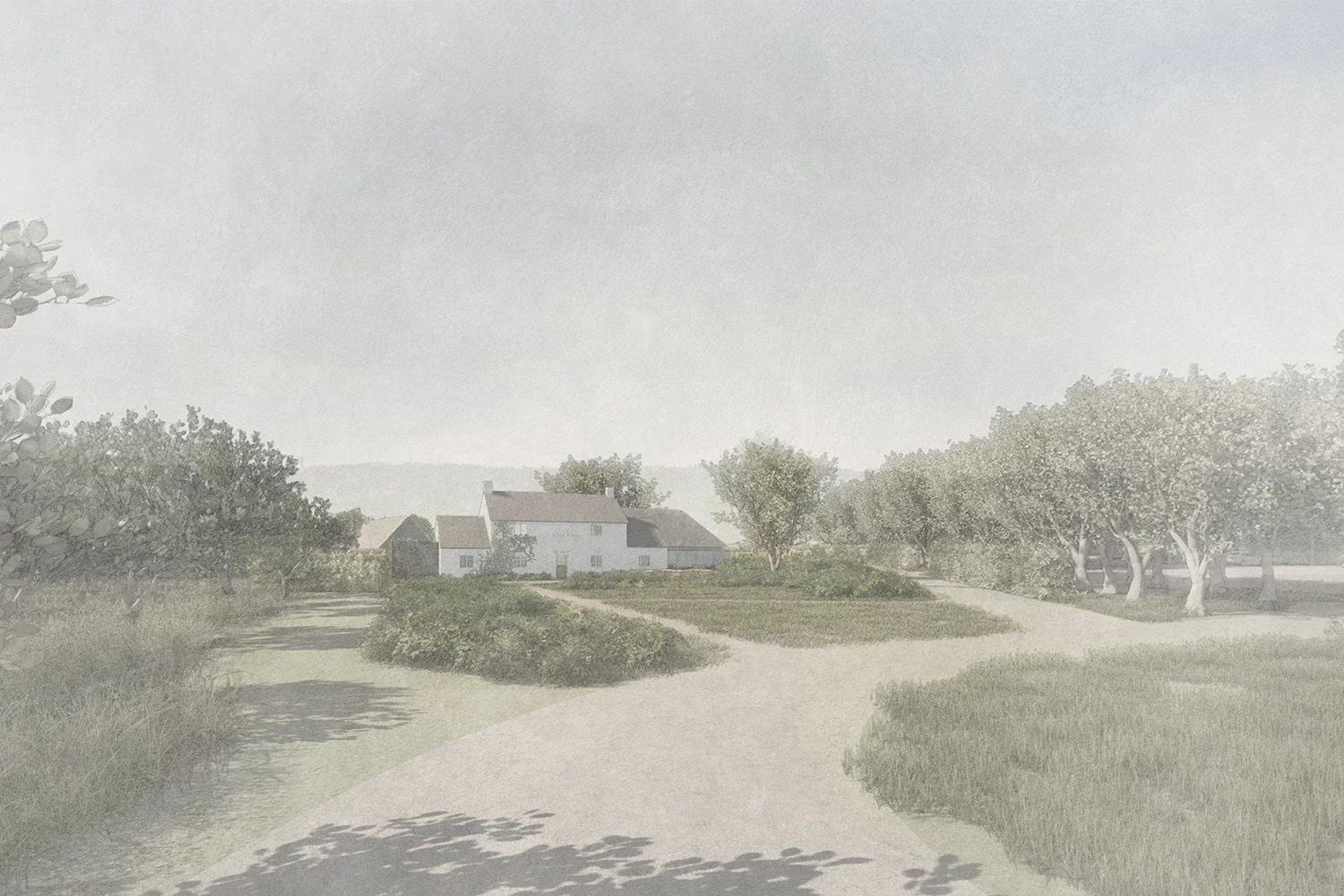
THE WOODCOTE, WEST SUSSEX
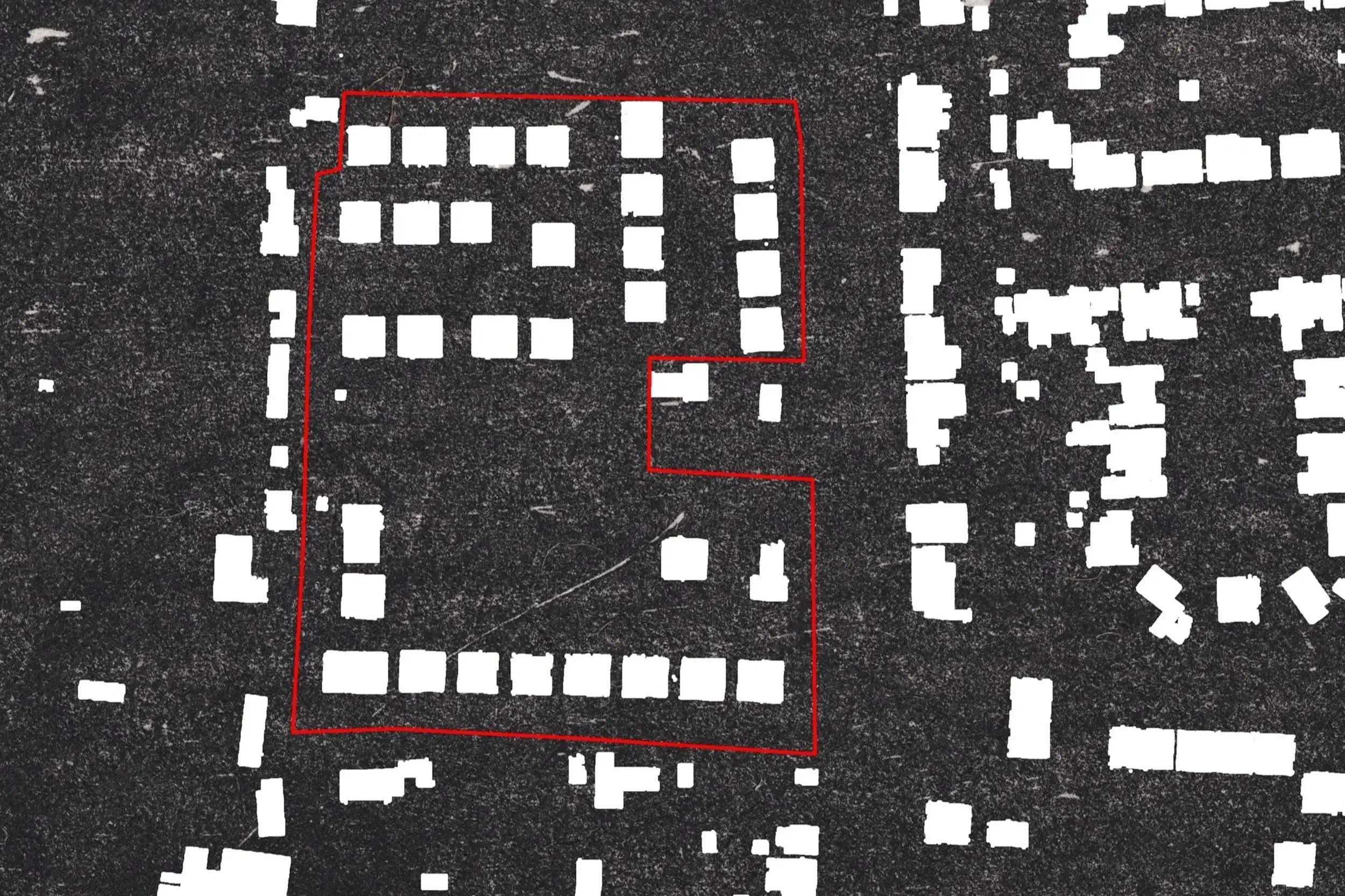
WINGS NURSERY, WOODGATE

NITHURST FARM, PETWORTH